
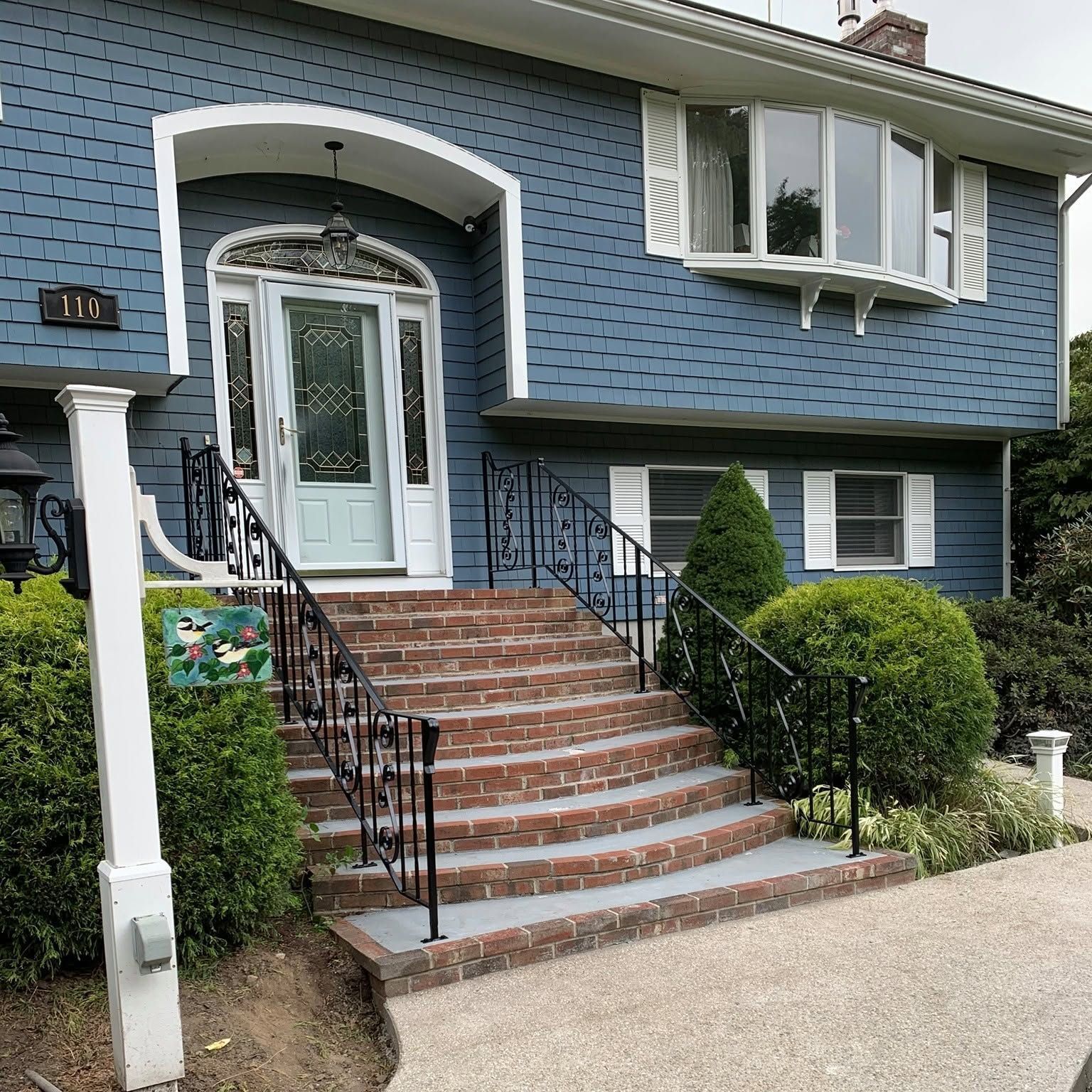
Surfaces Ready for New England Weather
Exterior Painting in Fall River for peeling, weathered, or worn finishes that leave siding and trim exposed to seasonal conditions
Infinity Coatings & Construction handles exterior painting for properties in Fall River where changing New England seasons have left surfaces visibly deteriorated—paint lifting at seams, chalking on siding faces, or bare wood showing along trim edges. These aren't only visual issues; once a coating breaks down, moisture finds its way into substrate materials, and the damage spreads faster than most property owners expect. Identifying which surfaces are ready to hold new paint and which need corrective work first is the starting point for every project.
Preparation determines how long any exterior coating lasts, and the right approach depends on what's actually on the wall. Wood siding requires different handling than vinyl, fiber cement, or masonry—scraping schedules, primer selection, and the number of finish coats each respond to what that particular surface needs rather than a standard sequence applied to every job. In Fall River's climate, where freeze-thaw cycles stress caulk joints and painted edges through winter and humidity affects adhesion during warmer months, skipping prep stages shortens the life of even high-quality coatings significantly.
Schedule an exterior painting estimate to review the current condition of your siding, trim, and detail areas before the next seasonal weather window closes.
What Proper Exterior Painting Requires
Surface condition drives every preparation decision. Loose or peeling paint must be removed back to a stable edge—not simply painted over—because new coatings applied over poorly adhering layers will lift along the same failure lines within a season or two. After stripping, bare areas are primed with materials matched to the substrate, caulk is inspected and replaced at window frames, corner boards, and horizontal ledges where water collects, and the surface is allowed to reach appropriate moisture content before topcoats are applied.
After the work is finished, you'll notice consistent color across siding panels without the blotchy or faded sections that appeared before, trim edges that sit cleanly against siding without gaps or dried caulk separation, and an overall surface that sheds water rather than absorbing it at exposed joints. The difference between a prepared exterior and one that simply received new paint over old is most visible within the first winter, when freeze-thaw stress tests every edge and seam.
Detail areas—window casings, door surrounds, rake boards, and decorative trim—require careful cutting and consistent coverage that matches the body of the house. These elements are often the first to show wear because they face direct weather exposure on multiple sides, and their condition significantly affects the finished appearance of the entire exterior. The approach to each detail area is evaluated individually based on current paint adhesion, wood condition, and exposure.
Common Questions About Exterior Painting
These questions come up often when property owners in Fall River are planning an exterior painting project, particularly around preparation requirements and what affects how long a finish will hold.
What preparation is done before painting begins?
Surfaces are scraped, sanded where needed, spot-primed on bare areas, and caulked at joints and transitions—the extent of each step depends on the current condition of the material being painted.
How does the local climate affect exterior paint performance?
Fall River's freeze-thaw cycles put stress on caulked joints and painted edges each winter, which means coatings applied without thorough prep or with moisture trapped beneath them tend to fail at those points first.
Why does the same exterior sometimes need repainting sooner than expected?
Premature failure almost always traces back to preparation—paint applied over surfaces with residual moisture, inadequate primer, or poorly adhered existing coatings will peel along those same weak points regardless of topcoat quality.
What surfaces are included in an exterior painting project?
Scope typically covers siding, trim, window casings, door surrounds, and associated detail areas, with specific inclusions confirmed during the estimate based on your property layout.
When is the best time to schedule exterior painting?
Coating manufacturers generally specify temperature and humidity ranges for application—moderate, dry conditions produce the most reliable adhesion, making spring and early fall typically the most suitable windows in this region.
Infinity Coatings & Construction can review your property's specific surface conditions and walk through what preparation each area requires before any coatings are applied. Request a detailed exterior painting estimate to get a clear picture of what your project involves.