
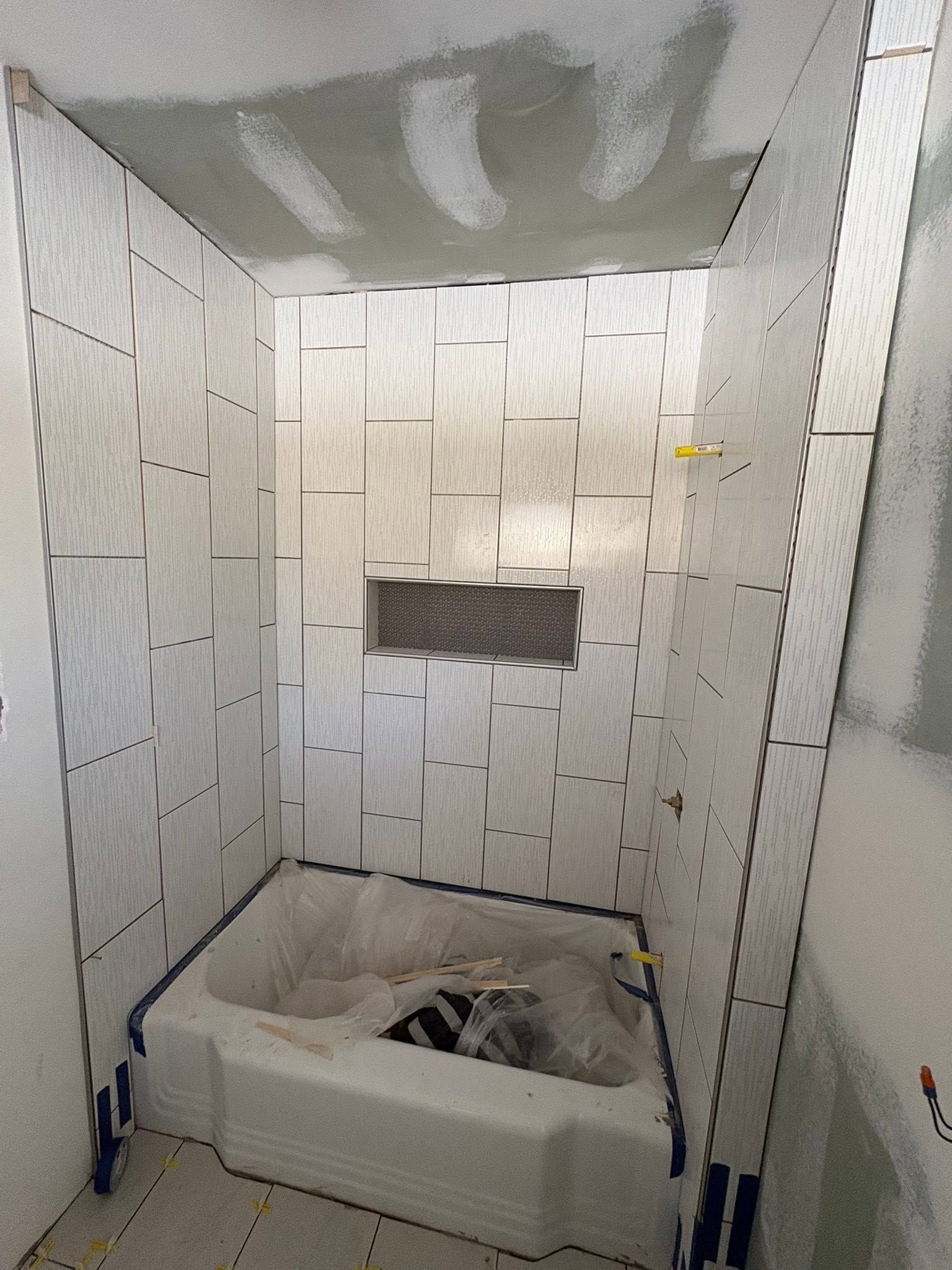
Surfaces Built for Daily Use and Lasting Appearance
Tile Work in Fall River for kitchens, bathrooms, and shower areas where surface durability and visual alignment matter
Infinity Coatings & Construction handles tile work across kitchens, bathrooms, and shower areas in Fall River, bringing attention to layout, alignment, and the small decisions that affect how a finished surface holds up and looks over time. Homeowners planning a remodel or replacing aging tile frequently discover that the difference between a clean result and a problematic one comes down to how joints are planned, how cuts meet edges, and how grout lines stay consistent across irregular surfaces. Each of those decisions happens before the first tile is set, and they determine what you see every day once the work is done.
Tile installation begins with surface preparation—verifying that the substrate is flat, stable, and able to hold the tile without flex or movement over time. In bathroom and shower areas, moisture management behind the tile matters as much as what's visible in front of it. Layout lines are established before any adhesive is applied, so patterns align correctly across the full surface rather than drifting toward edges or creating awkward cuts at focal points like doorways, fixtures, or countertop transitions. Grout selection, joint width, and transition pieces where tile meets a different finish material are all resolved during this planning stage rather than improvised at the end.
Request an estimate for your planned tile project to review layout options and material considerations specific to your space.
What Tile Work Actually Accomplishes in a Remodel
Tile serves two functions simultaneously—it creates a surface that resists water, staining, and daily contact, and it establishes a strong visual structure within a room. When cuts are made accurately at borders, around fixtures, and along floor-to-wall transitions, the surface reads as intentional rather than improvised. Backsplash tile in kitchens, for example, becomes a defined feature when grout lines run level and pattern repeats stay consistent, rather than a background element that looks slightly off without a clear reason why.
Once tile work is complete, you'll notice that transitions between the tile field and surrounding finishes—cabinetry edges, countertop overhangs, painted drywall, or floor thresholds—sit cleanly without gaps, mismatches, or exposed substrate. In shower enclosures, properly set tile with sealed grout lines and correctly positioned niches and curbs functions without water intrusion behind the surface, which shows up much later as staining, soft spots, or grout deterioration if those steps were skipped. The surface should look uniform in its pattern and finish, with no lippage between adjacent tiles that creates a ridge you can feel underfoot or catch with a mop.
Tile selection affects installation approach in practical ways—large-format tiles require a flatter substrate and back-buttering to avoid hollow spots, while mosaic sheets on mesh backing require attention to consistent pressure so individual pieces don't sit proud of the field. The scope of a tile project also determines sequencing relative to other trades: tile typically follows rough plumbing and electrical but precedes finish fixtures, cabinet hardware installation, and painting touchups at adjacent walls.
Common Questions About Tile Installation
These questions come up regularly when homeowners in Fall River are planning bathroom or kitchen tile work for the first time or after a previous installation didn't meet expectations.
What causes grout lines to crack after tile is installed?
Grout cracking typically results from substrate movement, insufficient curing time before use, or grout joints that were too narrow for the tile size and adhesive used—expansion joints placed at wall intersections and field breaks help absorb movement that would otherwise transfer into the grout.
How does tile layout get planned before installation starts?
Layout lines are snapped from the center of the surface outward so that cut tiles at borders are equal on opposite sides, and focal points like doorways or the main wall of a shower receive full tiles rather than narrow slivers.
When should tile be replaced versus cleaned or regrouted?
When the tile itself is intact but grout is stained or crumbling in isolated areas, regrouting is a reasonable option—but if tiles are cracked, hollow when tapped, or if water has reached the substrate, replacement is the more durable path.
Why does tile installation in shower areas involve different materials than floor or backsplash work?
Shower environments require cement board or a waterproof membrane behind the tile rather than standard drywall, and the setting mortar and grout must be rated for wet, continuously wet, or submerged conditions depending on the specific location.
What should I have ready before a tile estimate in Fall River?
A clear sense of the square footage, the existing substrate condition, and whether plumbing or electrical rough-in work has been completed allows for an accurate scope—knowing your tile selection in advance also helps because tile size and format directly affect labor and material planning.
Infinity Coatings & Construction can walk through your specific space to identify layout options, substrate conditions, and material requirements before work begins—call (508) 617-0555 to arrange an on-site review of your tile project.